·
Feb 9, 2026
The Building Blocks of Meaning: Architecture Beyond Form
Architect Frank Gehry once said, “The great works of architecture transfer feeling”.
Architecture is not just about steel, concrete, or glass. It is rather about shaping how we live, work, and connect. Spacious offices make room for meaningful conversations, and a well-designed desk can inspire us to shift our perspective and spark new ideas. Space is never neutral, whether at work or at home, it influences our behaviour, relationships and wellbeing.
Foundations are everything. Nothing is built overnight. There is no building without detailed system drawings, structural calculations, and architectural design plans; in the same way that there is no great idea without extensive brainstorming and no successful product without countless prototypes.
Everything begins with the building blocks, and in the attempt to skip them, the structure, whether physical or human, will inevitably fall.
Design: Why Space Is the First Building Block of Everything
While structure ensures durability and resistance, design defines performance. Once the foundations are in place, attention should turn to the design. Whether it is an office, a home, or a gallery, the design will define the experience of those who inhabit the space. In his time as an Architect, Frank Gehry repeatedly described architecture as a form of art: “Architecture is an art, an act of social conscience making people feel loved and accepted.”
What Gehry described feels especially relevant today. In a world increasingly lived through screens, the importance of physical space is often overlooked, undermining its effect on mental health and well-being. Well-designed environments create the mental clarity needed for ideas and solutions to emerge, while cluttered environments tend to do the opposite, leading to distraction and procrastination.
For instance, a recent study by office fit-out Claremont suggested that 84% of today’s employees expect their office to deliver an experience (Hamilton, 2024). To meet this expectation, contemporary workplace design increasingly draws on hospitality-led principles, incorporating hotel-style fixtures, such as warm lighting, natural elements like planting, and quiet spaces for breaks or reflection. These features have become essential for attracting and retaining talent.
Good design thinking anticipates people’s needs before they even inhabit the space. This is what separates intentional environments from merely functional ones. By accounting for diverse people and abilities from the beginning, inclusion is built into the design rather than treated as an afterthought. When spaces anticipate human needs, they make people feel seen and valued, reinforcing Gehry’s belief that architecture, at its best, is an act of social conscience.
Architecture in Time: Historicism, Modernism and Postmodernism
Architecture has always reflected its time. From the earliest human shelters built with available materials to today’s modern designs, the spaces we create have consistently mirrored our values, technologies, and priorities. Throughout history, three influential movements have continued to shape contemporary thinking: historicism, Modernism and Postmodernism.
Historicism prevailed during the 19th century. It was a design approach that conveyed memory, aiming to revive historical architectural styles such as Renaissance, Gothic, and Baroque. At the time, there was significant cultural uncertainty and economic shifts in response to the Industrial Revolution. Historicism fostered a sense of continuity and stability during times of rapid change, as societies found comfort in looking back to the past for identity and meaning. This tie with the past gave the movement a sense of authority and power. A great example of historicism in architecture is the Palace of Westminster in London. It was designed by Charles Barry and Augustus Pugin, and it embodies Gothic Revival architecture, using medieval forms to evoke a romanticised past.

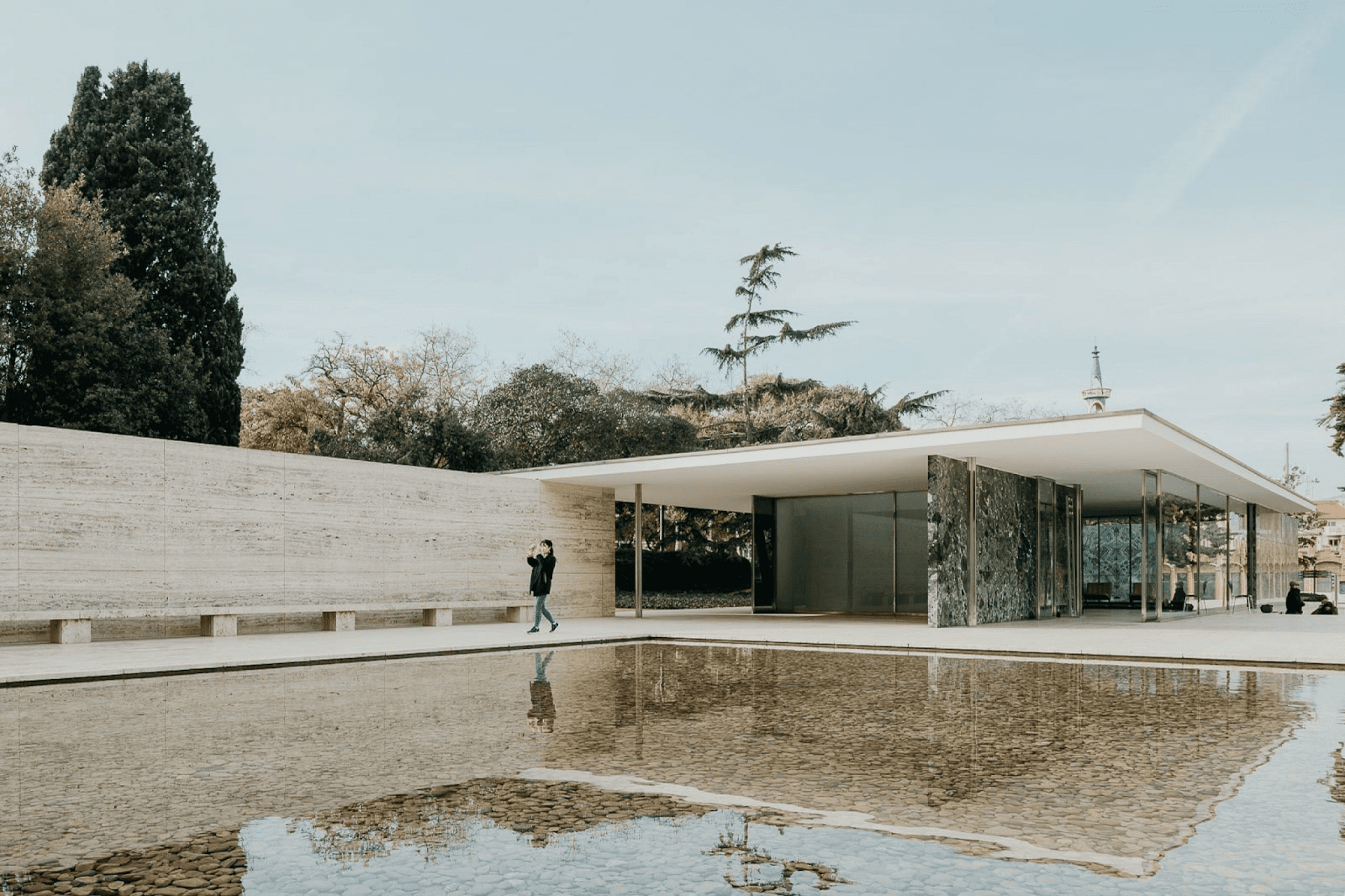
Contrastingly, Modernism embraced minimalism, defined by open floor plans and a direct use of materials such as steel, glass, and concrete. Breaking the thread of ornament and historical reference, the movement prioritised efficiency, rationality, and progress. One of its most influential figures was Ludwig Mies van der Rohe, whose philosophy centred on structural and functional clarity. He was famously captured in his belief that “less is more” and “God is in the details”. A textbook example of Modernism is the Barcelona Pavilion, designed by Mies van der Rohe and Lily Reich for the 1929 Barcelona International Exposition. Built of steel, glass, and marble, the pavilion reduces Modernism to its core: space, proportion, and material driven by function.
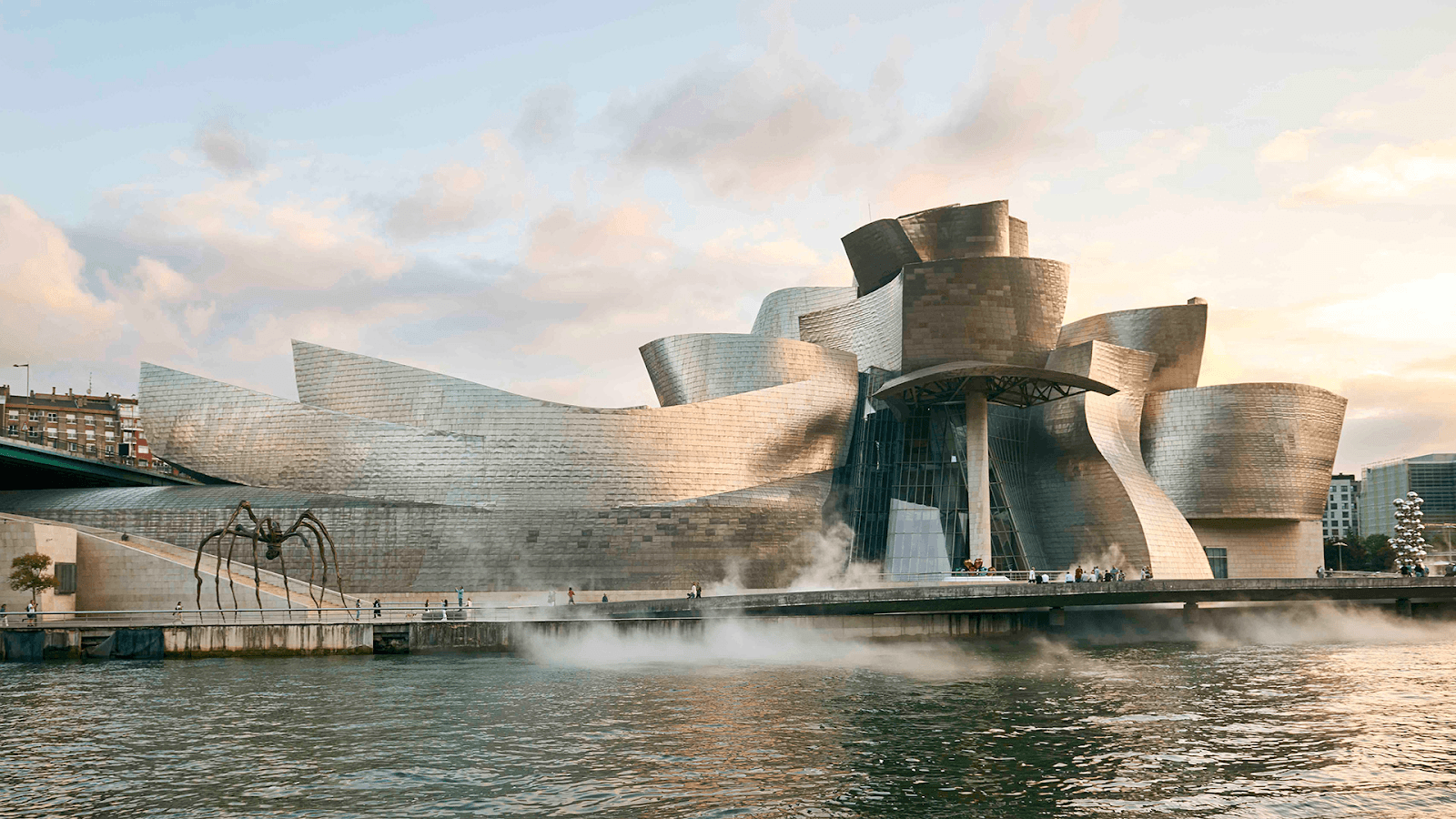
Postmodernism emerged as a reaction against the rigid principles of modernism. Drawing inspiration from Historicism, it embraced relativism, the belief that meaning and value are shaped by historical, social, and cultural context rather than governed by a single universal truth. In architecture, this rejection of absolutes is translated into eclectic forms, symbolism, and culture. Rather than following a single strict language, Postmodernism allowed buildings to communicate differently to different people, prioritising experience, interpretation, and meaning over structural rules. This philosophy was reflected in the use of contrasting materials that blend tradition with contemporary elements such as ornamentation and steel. One of the movement’s key voices, Robert Venturi, famously challenged Modernist ways with the phrase “less is a bore.” A clear expression of this approach can be seen in the Guggenheim Museum in Bilbao by Frank Gehry, where form, material, and meaning all remain as open-ended questions.
Buildings as Narratives, Non-static
If architectural movements reflect the values of their time, then individual buildings become the medium through which those values are expressed. Architecture does not exist only in history; buildings tell stories in the present.
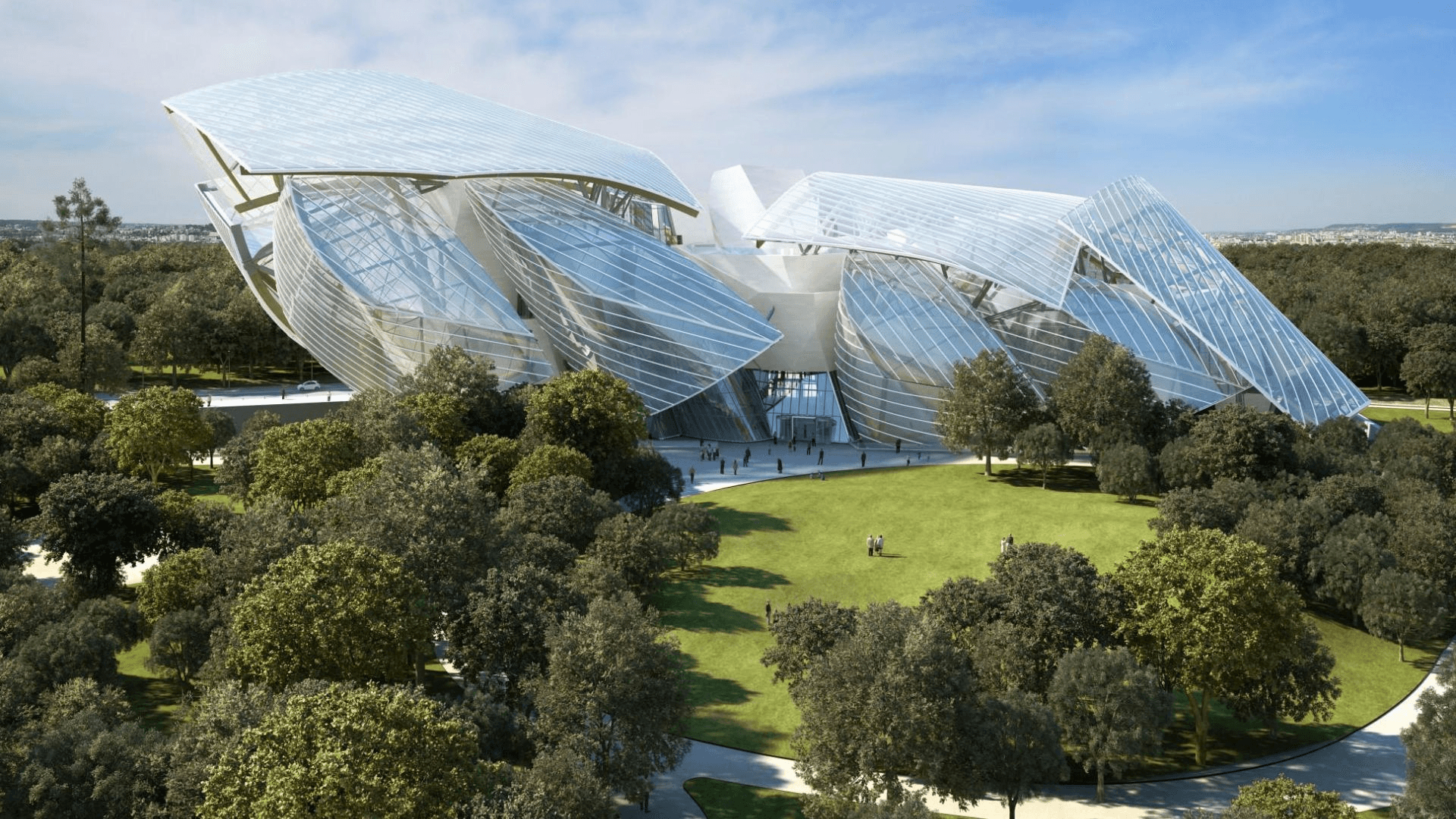
While many buildings remain static, viewing architecture as narrative suggests that the most powerful works should evoke a sense of movement. Few architects embraced this idea as fully as Frank Gehry, whose work consistently aims to convey emotion through motion. One of the clearest expressions of this approach is the Fondation Louis Vuitton, a postmodern landmark that unfolds like a moving sculpture of glass and steel.
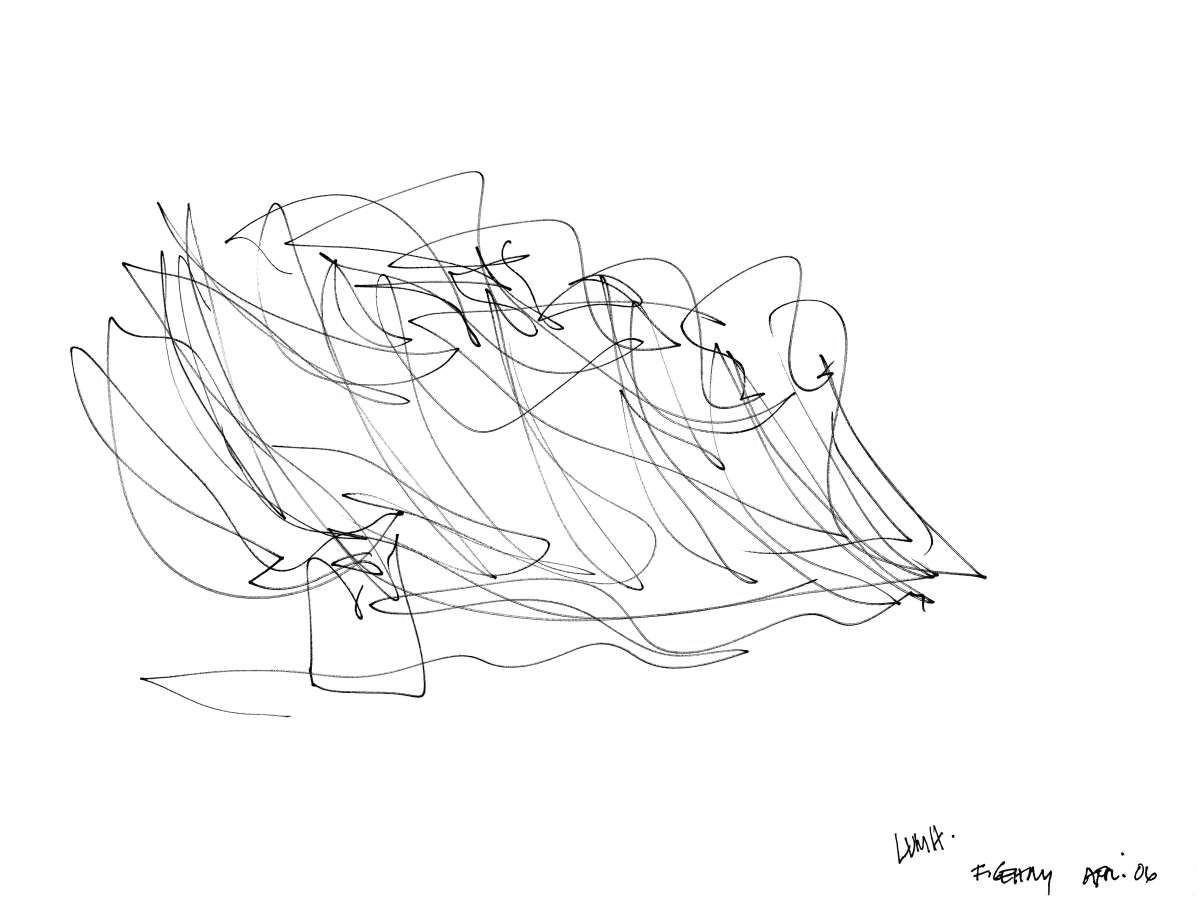
In an interview with the Fondation, Gehry describes how the project emerged from a teaching moment. Reflecting on Postmodernism, he challenged his students to look beyond anthropomorphic references and to go back before humanity to fish for inspiration. He then thought about fish and how they are constantly in motion. That idea of fluidity and freedom of expression became the foundation of the building itself; he sketched his vision and eventually brought it to life.
Everything we Build, Builds us Back
Architecture begins with foundations, but its true impact lies in design, in how thoughtfully human needs are anticipated long before construction begins. The care and intention invested in planning directly shape how a space is experienced, felt, and lived in over time. From Historicism’s ornamented references of memory, to Modernism’s direct expression of steel and function, and Postmodernism’s embrace of movement and narrative, architecture has continuously reflected its moment in history. Yet across all movements, one constant remains: buildings tell stories. When designed intentionally, those stories support performance, well-being, and human connection long after the structure itself is complete. Investing in well-designed spaces is therefore not simply a matter of function but of human responsibility, shaping environments that support growth, inclusion, and creativity.
References:
Dans Le Gris. “Postmodern Architecture Explained: Why “Less Is a Bore” vs. Modernism.” YouTube, 1 Aug. 2024, www.youtube.com/watch?v=b7EbourS7l4.
Hamilton, Jane. “How Good Office Design Can Attract Workers — and Keep Them Happy.” Thetimes.com, The Times, 30 May 2024, www.thetimes.com/article/how-good-office-design-can-attract-workers-and-keep-them-happy-qqggxlgzh.
Mies Van Der Rohe, fundació. “The Pavilion - Fundació Mies van Der Rohe.” Fundació Mies van Der Rohe, 2019, miesbcn.com/the-pavilion/.
NOWNESS. “Creating Feeling with Frank Gehry.” YouTube, 16 July 2018, www.youtube.com/watch?v=v98ahM6mr-w.
“Postmodern Architecture: Definition, Characteristics and Examples.” Dans Le Gris, danslegris.com/blogs/journal/postmodern-architecture.
Studios, Sketch. “The Impact of Workplace Design on Productivity.” Sketch Studios, craftcms-tailwind, 2020, www.sketchstudios.co.uk/blog/the-impact-of-workplace-design-on-productivity.